
Digital archives and photo restoration
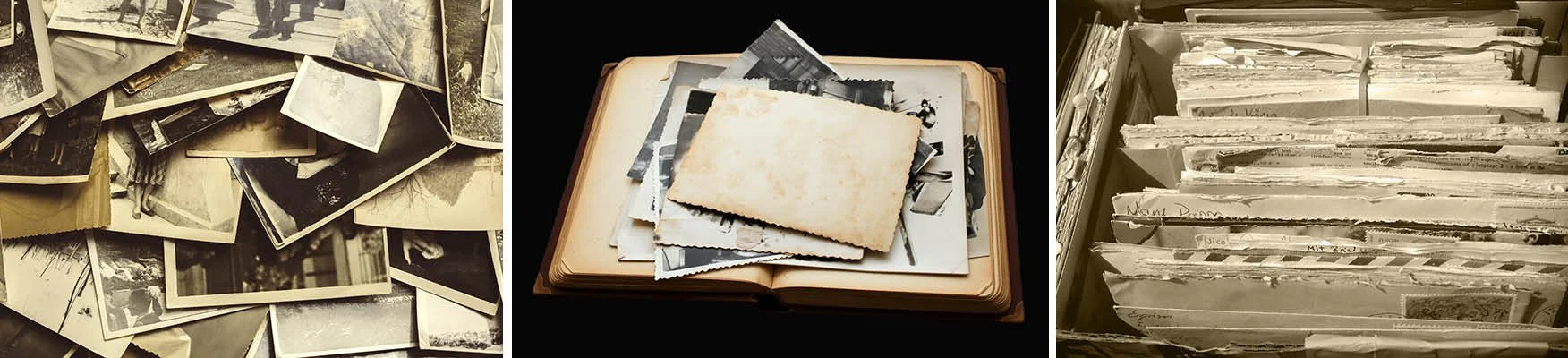
So many of us find that at some point in our lives, we inherit a box (or several) of old family photos and documents. Inside is a smorgasbord of items. Wedding albums. Immigration papers. Those few images that still exist of our great-great-grandparents.
And a lot of junk, such as routine medical and financial records from decades ago. The volume and disorder can overwhelm us and keep us from seeing, or even knowing about, the real treasures in those boxes.
Getting started
During a free, 30-minute consultation, you share with me your biggest needs.
Are you overwhelmed by the volume of “stuff” and want someone to sort through and suggest what to save and what to toss? What to digitize, and what to keep in paper or “real” format as well?
Do you have faded or damaged heirloom photos that you’d like to bring back to life in digital format?
Do you have old photographs stuck—literally—in albums that you’d like to preserve digitally, either in addition or instead?
Following our consultation, I send you a proposal and estimate.
Digital archives
Digital archives include:
archival-quality scanning of your photos and keepsake documents
organization into an easy-to-navigate file system
input of tagging and metadata that offers information about each item and allows for easy searchability
storage on an external hard drive that is yours to keep
instructions on securing your archive using the 3-2-1 backup rule
Pricing follows a flexible, three-tiered model, and estimates are based per 1,000 images.
Designed to preserve your legacy images, this package includes:
archival (600ppi tiff files) digitization of your images
basic color correction, proper orientation, and cropping (if applicable)
organization into chronological (recommended) file structure by date ranges
backup storage on an external drive
Typical price range:
$900–$1,200
per 1,000 images

Designed to preserve your family’s history, this package includes, in addition to the preservation package:
more precise dating
identification of people by name and relation
additional metadata tagging images by location and theme
Typical price range:
$1,500-$2,000
per 1,000 images

Designed to preserve your family’s history for future generations and serve as the basis of a book or website, this package includes, in addition to the family archive package:
more detailed metadata including biographical details and personal recollections about subjects
Typical price range:
$2,200 and up
per 1,000 images
Photo restoration
Digitization of your photos includes proper orientation, sizing, as well as cropping and color correction (if applicable).
But it’s sometimes the case that old photos have more significant damage including significant fading, splotches, wrinkles, or tears.
Damaged photos can generally be assigned into one of three categories. Here are some restorations I’ve completed recently that offer typical examples for each category and their cost.
One cautionary note: unfortunately, blurry photos cannot be transformed into a focused version of themselves. There just isn’t enough information in the pixels—the basic unit of a digitized photo—to render a sharp image. This makes perfect sense, but was still quite a disappointment to me when I first found out!
Level I
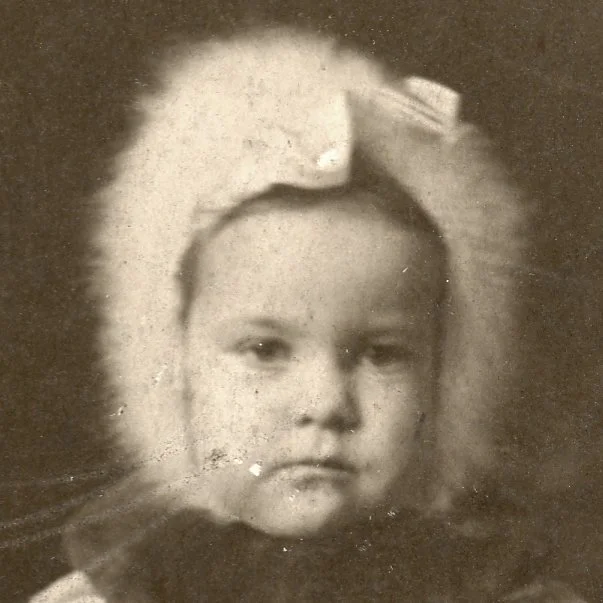
$10-$25/image
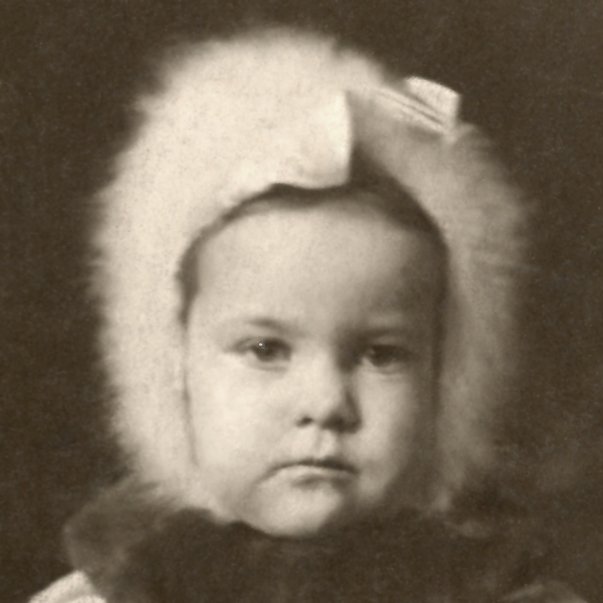
This photograph from 1905 suffered from blemishes, spots, and scratches, requiring tools to remove the damage while not increasing blur.
$50-$75/image
Level II
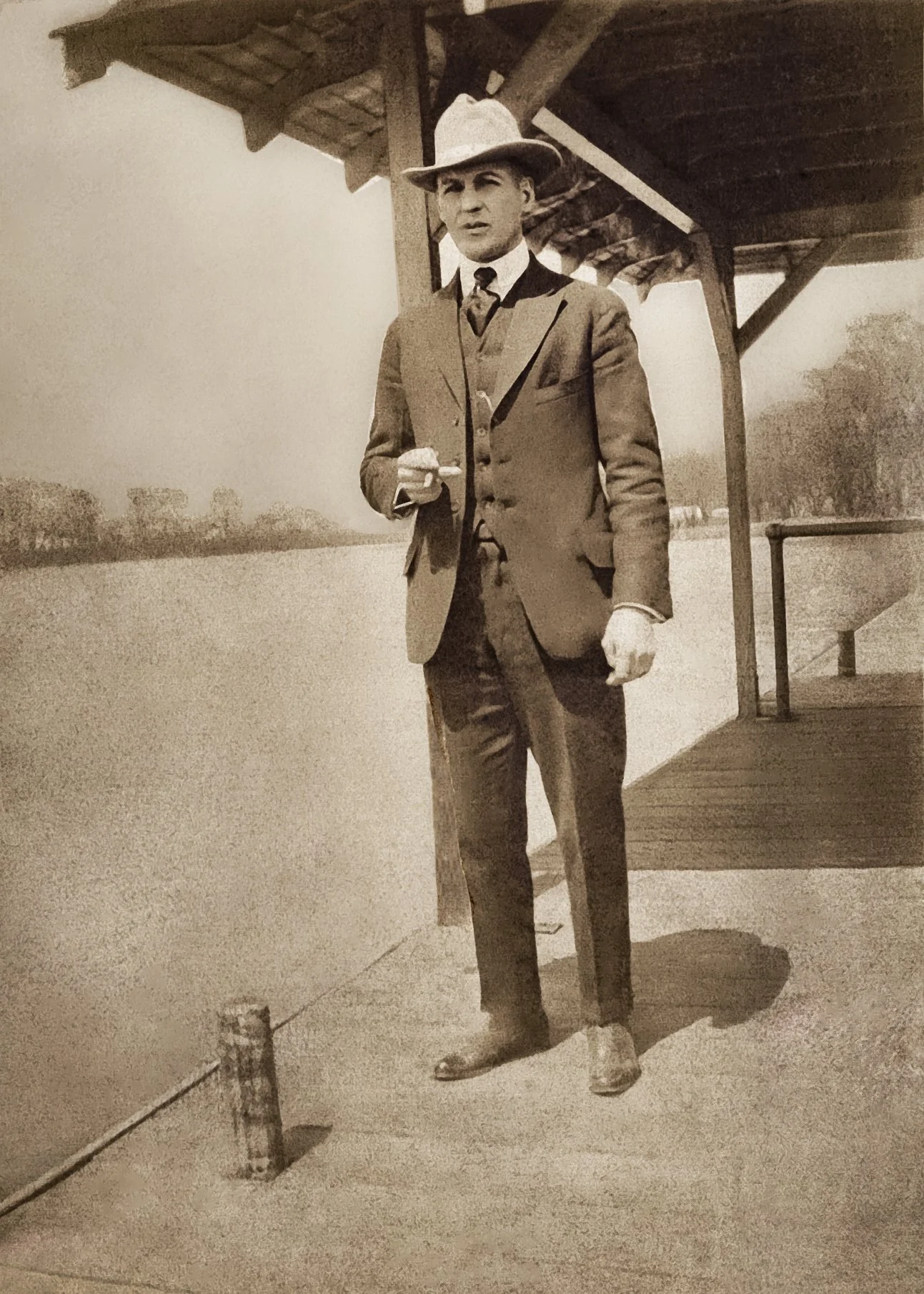
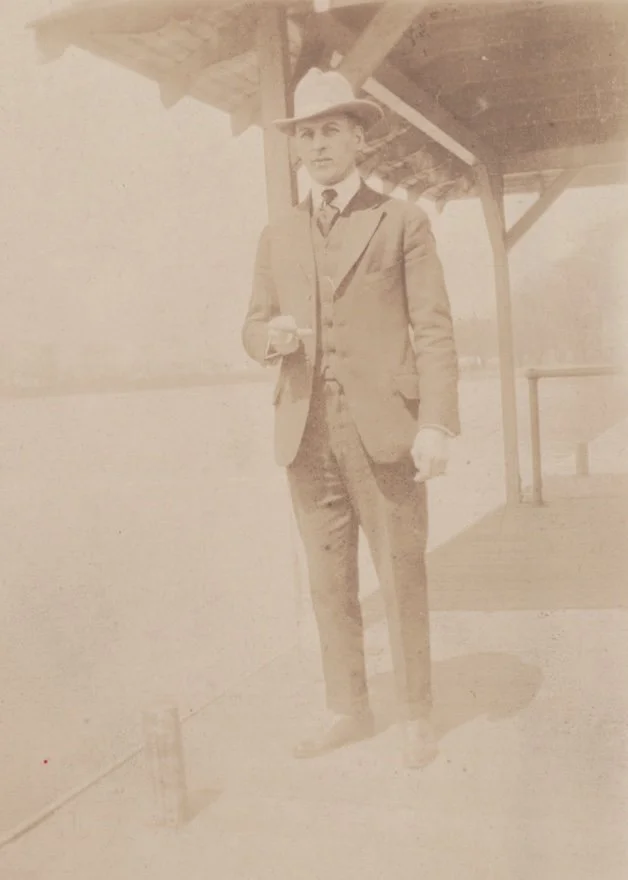
This photograph, taken in the 1910s, had faded considerably but retained detail, such as the trees in the background, which appeared in the faded original as a dull haze. Bringing back detail and vibrance is the first step. However, that process also highlights blotches and other irregularities. Removing those while retaining the restored detail can be a tricky balance to achieve.
Level III
$100 and up/image
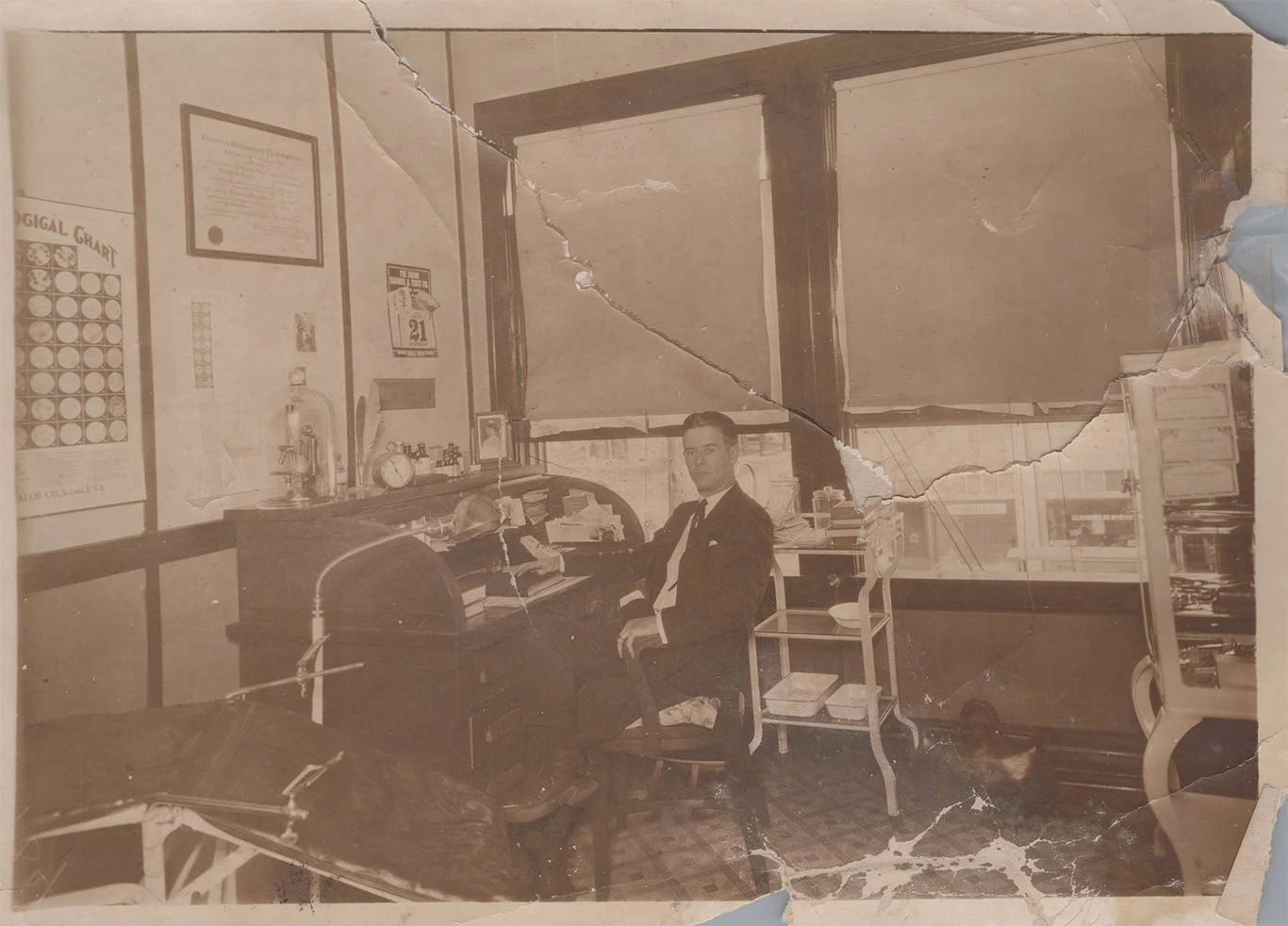
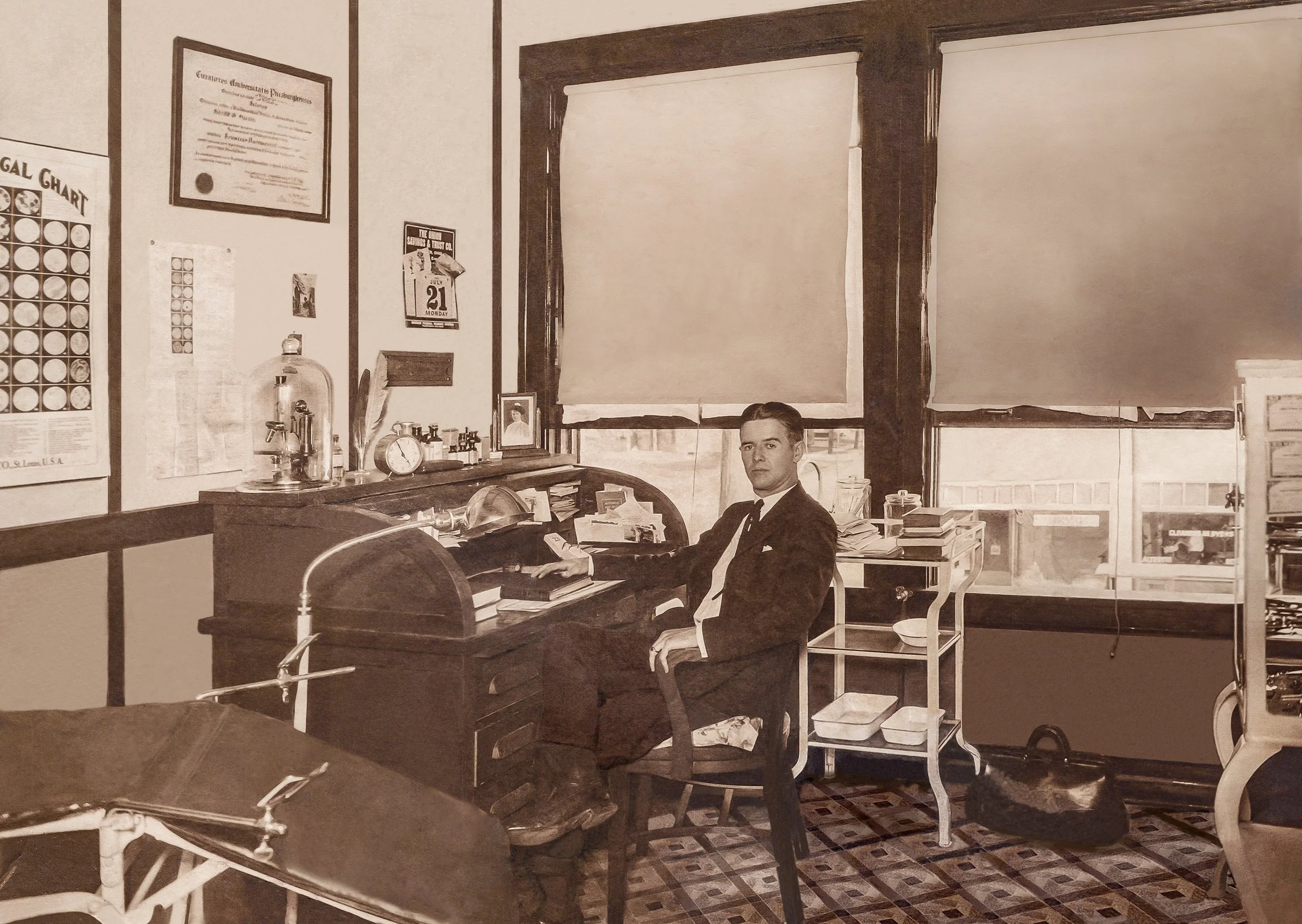
Badly torn, faded, and with significant areas of discoloration from mold and other environmental stress, this image from the 1930s thankfully also retained impressive and sharp detail. That detail is one reason an image like this is labor intensive to restore, requiring several hours of work. Although AI tools such as Photoshop’s photo restoration function can wipe away blemishes, reflections, and discolorations with the pressing of a button, as of now—early 2026—it also wipes away a noticeable amount of clarity and detail in that process. AI tools will most likely improve at a fast clip, but as of 2026, traditional tools, more time and labor-intensive, will yield a much better result.
An additional note on AI
There are a number of AI tools available, some free online, designed to restore vintage images. I have used a couple, and I’ve found the results to be unpredictable. In general, if a photograph contains significant detail, in my view tools such as Adobe Photoshop’s photo restoration feature often sacrifice that detail in order to produce an image that looks polished and smooth. (And often, with vintage photos, a bit too polished and smooth.) But such tools may be useful to you if you are reproducing the image, either in print or online, at a small size where detail matters less.
In general, when it comes to AI tools, some are better than others, and they are always worth a try. Sometimes they work well in combination with traditional techniques.